













Booming Growth and Tech Evolution: Future Trends of Global Car Multimedia with Navigation Market
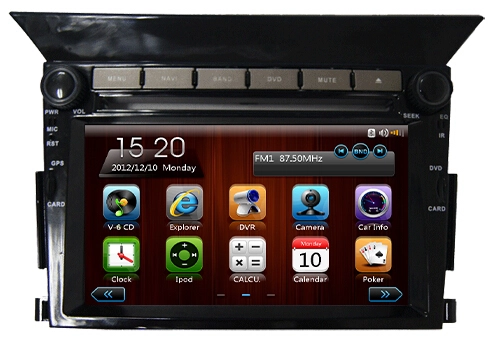
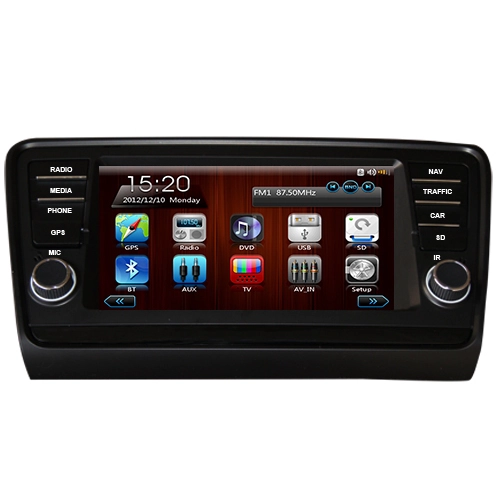
June 23, 2026 — The global market for car multimedia with navigation systems is entering a period of rapid expansion, driven by the surging penetration of connected vehicles, intelligent cockpit upgrades, and rising consumer demand for personalized in-car travel experiences. Industry data shows the global automotive infotainment market, centered on multimedia and integrated navigation functions, was valued at approximately USD 30.9 billion in 2025, with a projected compound annual growth rate (CAGR) of 8.7% from 2026 to 2034, poised to reach USD 63.1 billion by 2034 . As a core component of smart vehicle cabins, car multimedia with navigation systems is evolving from basic audio-visual playback and single navigation functions to an all-scenario intelligent in-car interactive ecosystem.
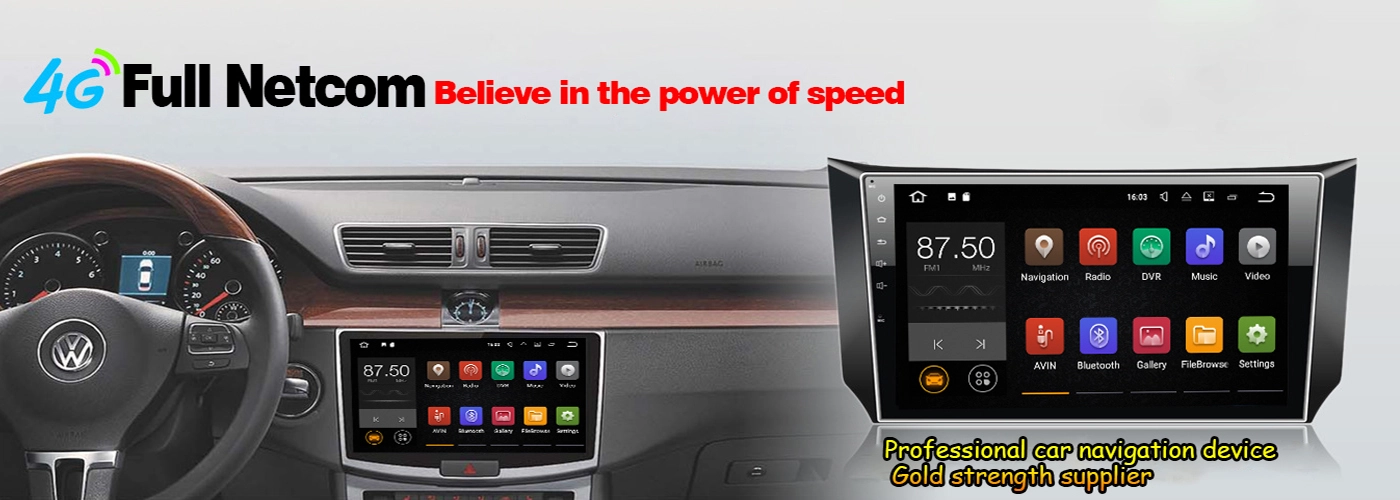
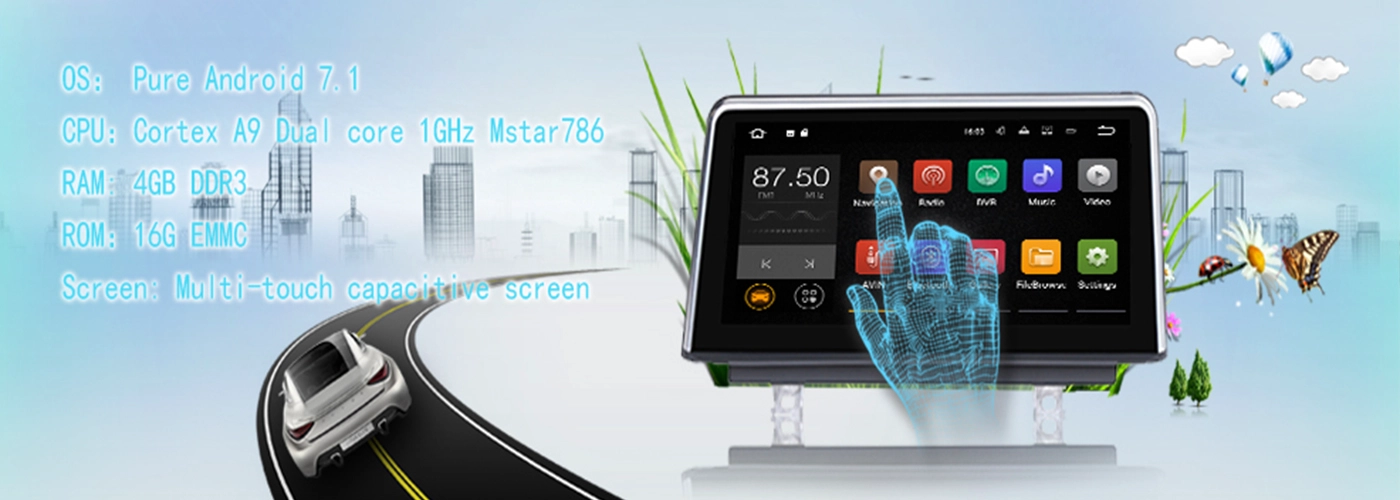
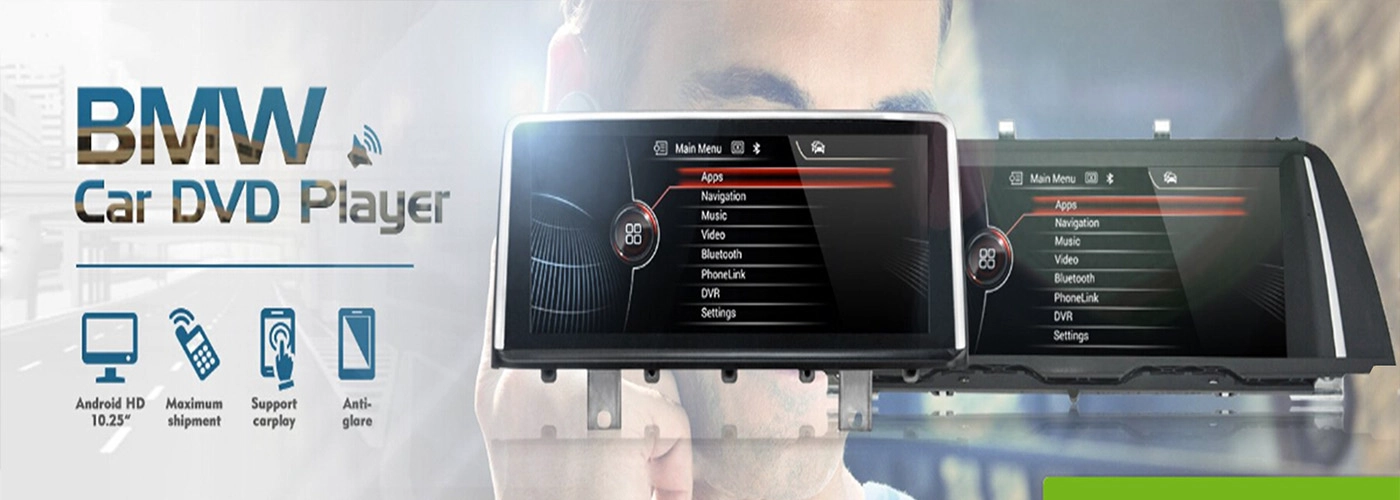
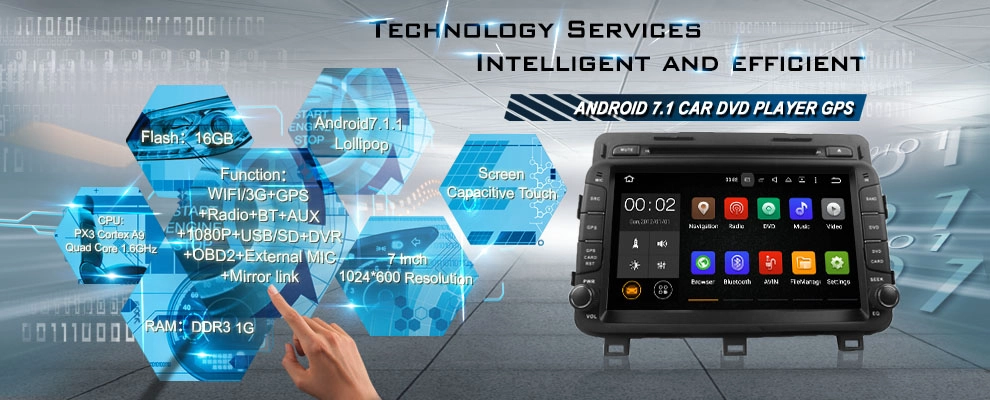
In recent years, the mainstream adoption of smart passenger cars and the gradual popularization of aftermarket vehicle modification have become the core driving forces for market growth. Traditional car multimedia systems only supported simple radio, video playback and offline navigation, which can no longer meet modern travel needs. Currently, new-generation integrated systems integrate high-precision real-time navigation, intelligent voice interaction, online entertainment, mobile phone interconnection, and vehicle condition monitoring, realizing deep integration of travel service and in-car entertainment . The booming new energy vehicle market further accelerates industry iteration, as most new energy models are equipped with large-size ultra-clear screens, multi-screen linkage and intelligent navigation multimedia systems as standard configurations, becoming a key selling point of vehicle products.
From the perspective of market segmentation, OEM pre-installed systems occupy the dominant market share, while the aftermarket modification market maintains steady growth. For traditional fuel vehicles with outdated factory configurations, consumers are increasingly willing to upgrade intelligent multimedia navigation devices to improve travel convenience and entertainment experience. Geographically, the Asia-Pacific region leads the global market growth, benefiting from the huge automobile consumption market in China, India and Southeast Asian countries, as well as the rapid development of local intelligent automobile supporting industries. Meanwhile, the European and North American markets focus more on high-end customized multimedia navigation systems with safe driving assistance and multi-terminal interconnection functions, pursuing higher product intelligence and safety standards .
Industry insiders point out that the future development of the car multimedia with navigation market will focus on four major technological trends. First, high-precision navigation and autonomous driving integration. Traditional GPS navigation is being upgraded to centimeter-level high-precision map navigation, which can adapt to complex urban road networks, tunnel scenarios and elevated road conditions. It will realize deep data docking with advanced driver-assistance systems (ADAS) and autonomous driving systems, providing accurate road condition prediction, lane-level guidance and automatic driving path planning .
Second, intelligent human-computer interaction and personalized customization. Future multimedia navigation systems will abandon single touch operation and realize full-scenario interaction through voice control, gesture recognition and facial recognition. The system can automatically adjust navigation routes, entertainment content and interface styles according to user driving habits, preference data and travel scenarios, creating exclusive personalized in-car experience .
Third, centralized computing and cross-domain ecological integration. Driven by the development of vehicle central computing architecture, the independent multimedia and navigation modules will be fully integrated with vehicle control, intelligent driving and Internet of Vehicles (IoV) systems. The bottom-layer cockpit chips will realize unified computing power scheduling, breaking the closed state of traditional independent systems. Meanwhile, the industry will build a closed-loop ecological system covering travel navigation, in-car entertainment, mobile office and life services, realizing seamless connection between vehicles, mobile phones and smart home devices .
Fourth, immersive display and multi-screen linkage innovation. With the maturity of OLED flexible screens, head-up display (HUD) and AR navigation technologies, traditional single central control screens will be replaced by multi-dimensional immersive display systems. AR real-scene navigation will overlay road guidance information on the real driving vision, greatly improving driving safety. Multi-screen linkage among instrument screens, central control screens and rear entertainment screens will also become the mainstream configuration of mid-to-high-end vehicles .
Despite the bright market prospects, the industry still faces certain challenges. The closure of different brand system ecosystems leads to poor cross-device compatibility; the limitation of vehicle computing power restricts the further improvement of system fluency and functional richness; in addition, data security and privacy protection of navigation and user travel data have also become key issues restricting industry standardized development .
Looking ahead, with the continuous iteration of IoV technology, the comprehensive popularization of intelligent cockpits and the improvement of high-precision map infrastructure, the car multimedia with navigation market will maintain strong growth momentum. Industry forecasts show that by 2035, the global in-car entertainment and navigation market will exceed USD 57 billion, and intelligent, integrated and ecological multimedia navigation systems will become the standard configuration of all intelligent vehicles, bringing revolutionary changes to global road travel experience .

